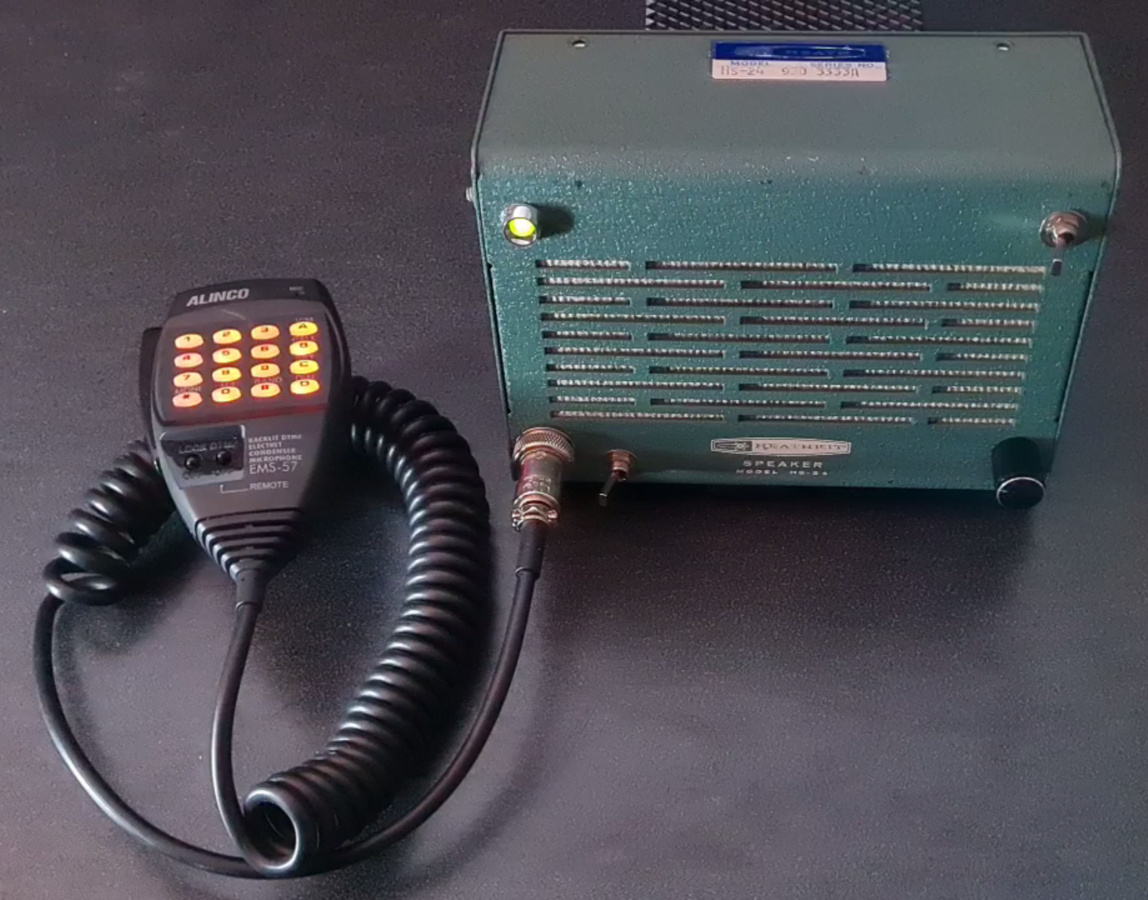
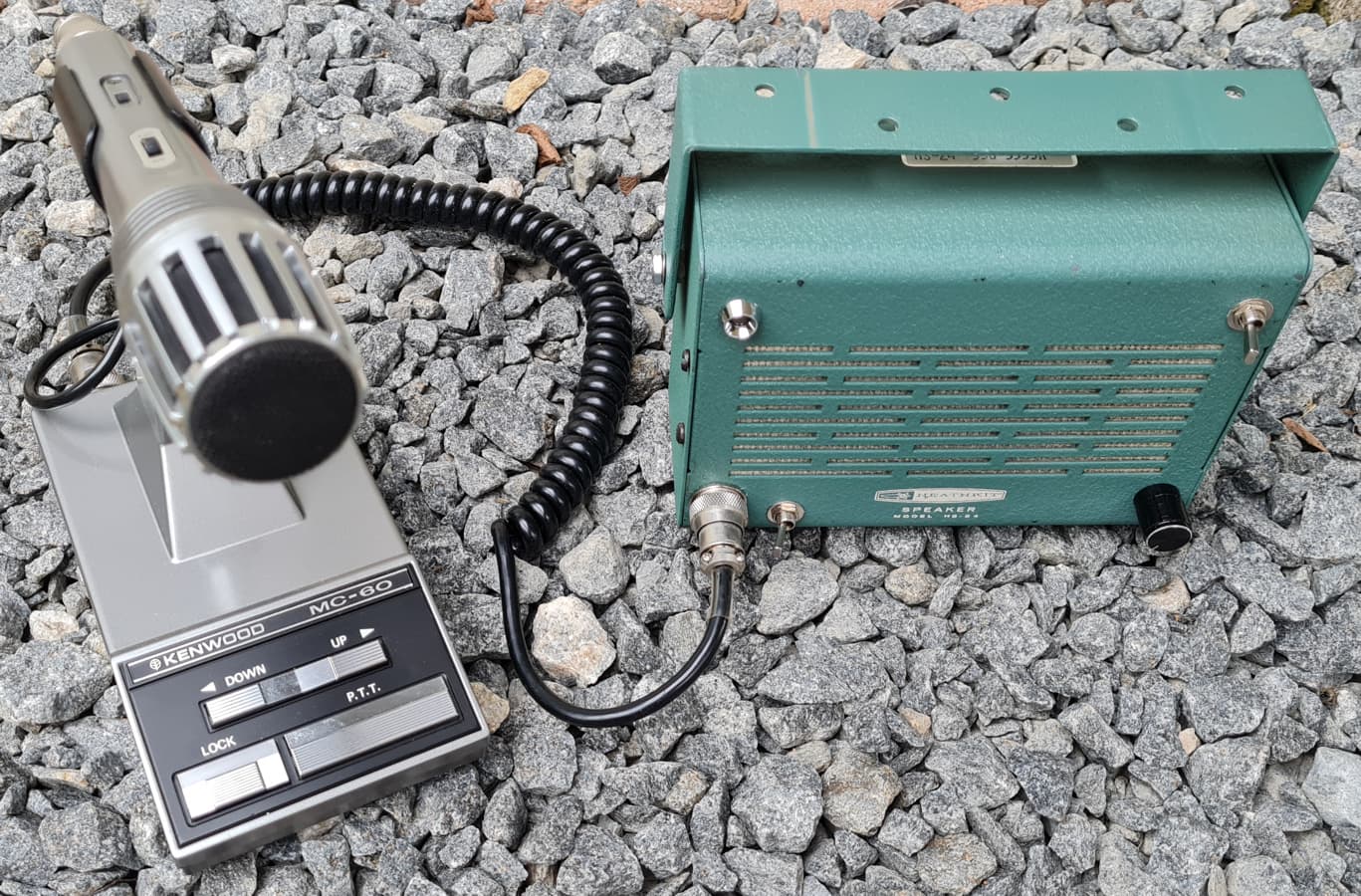
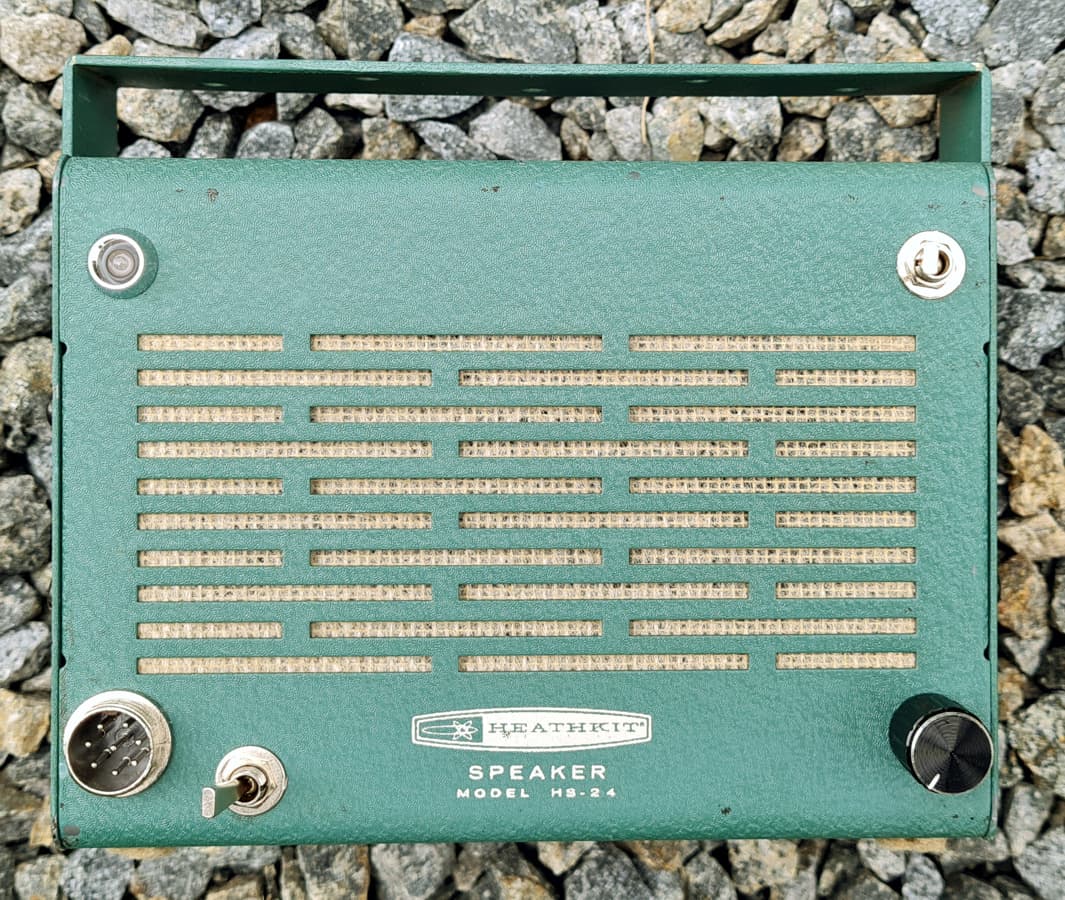
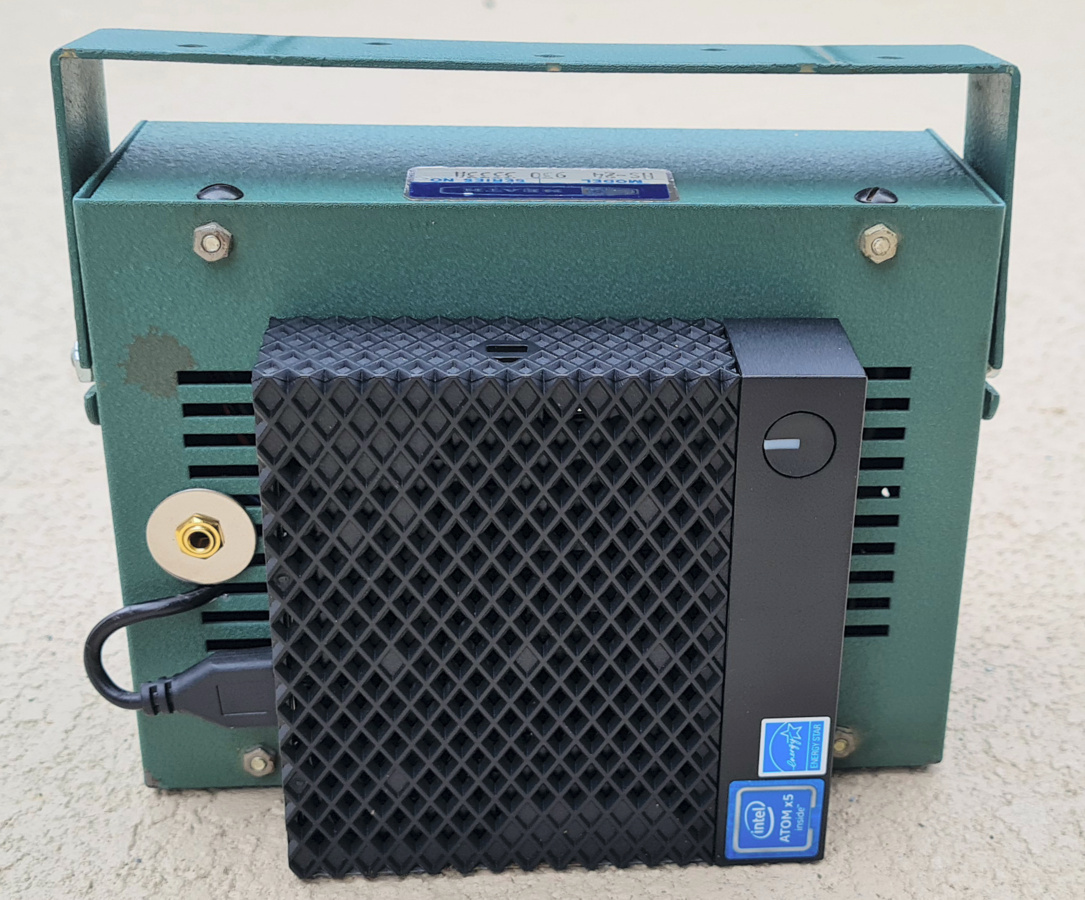
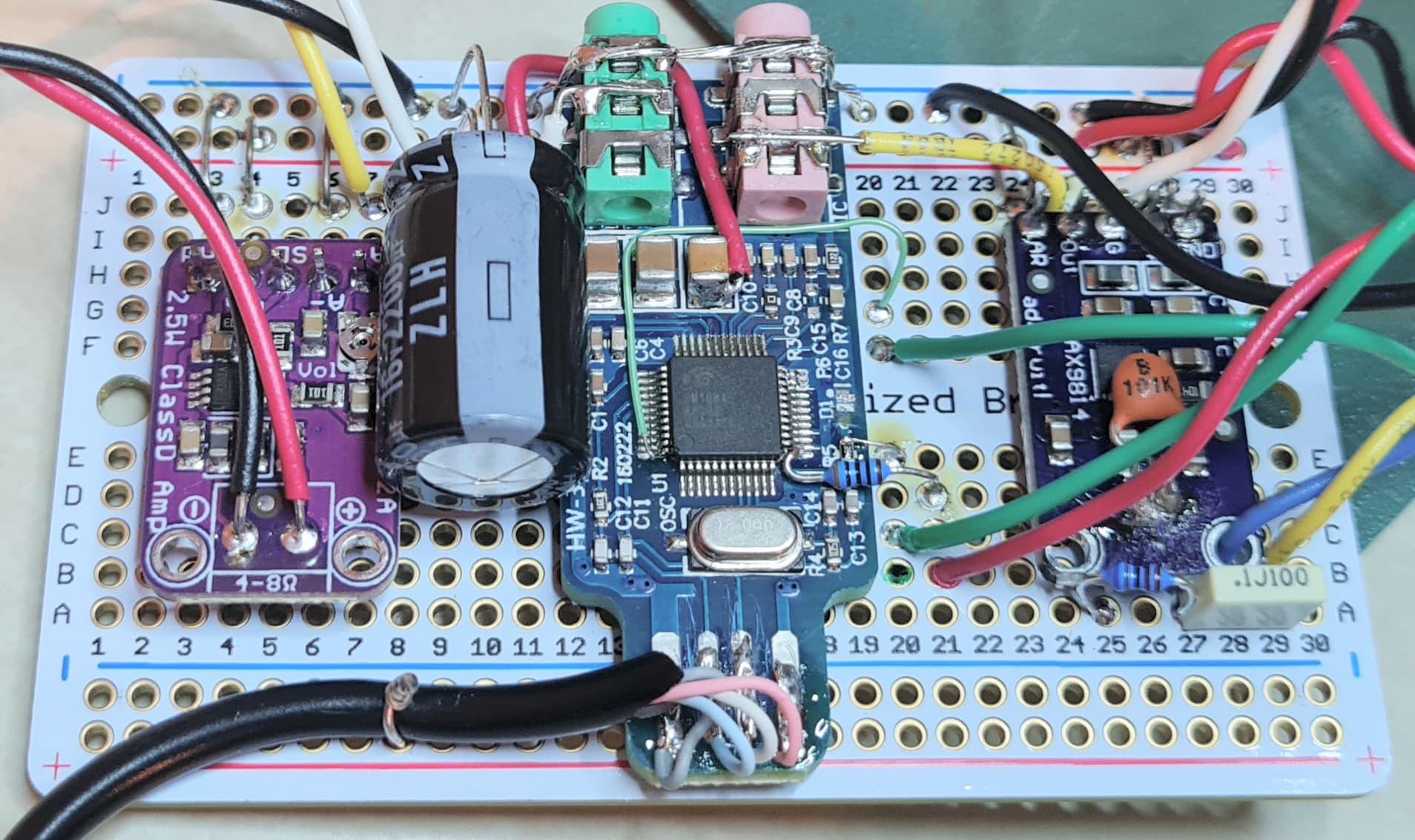
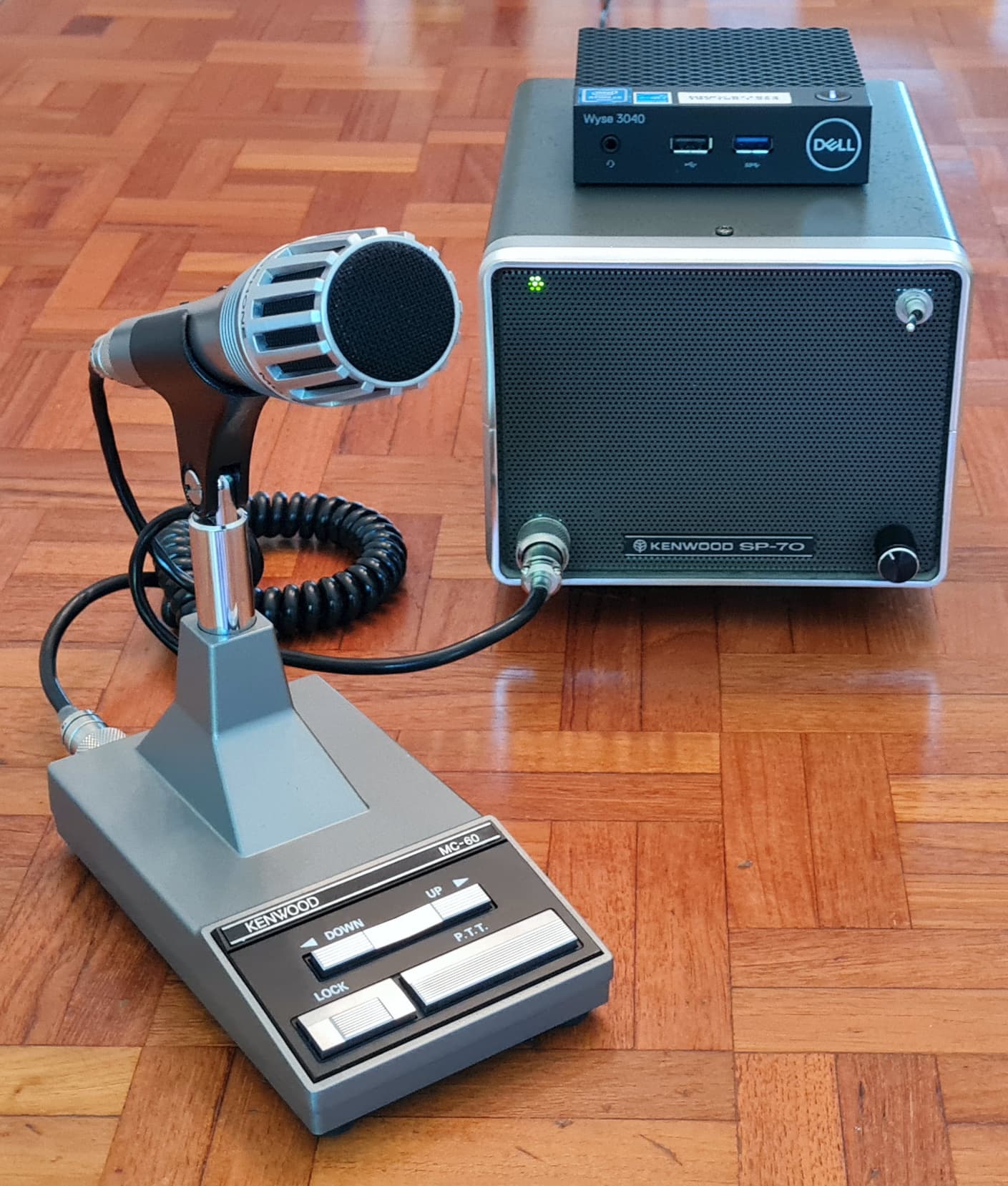
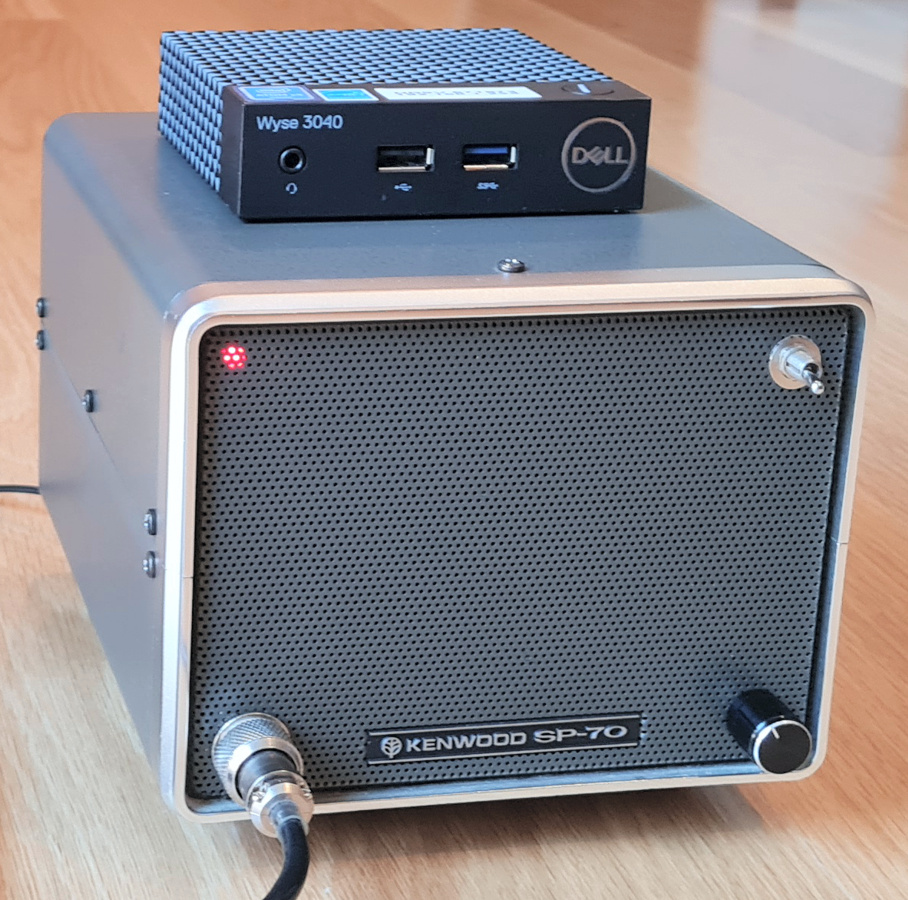
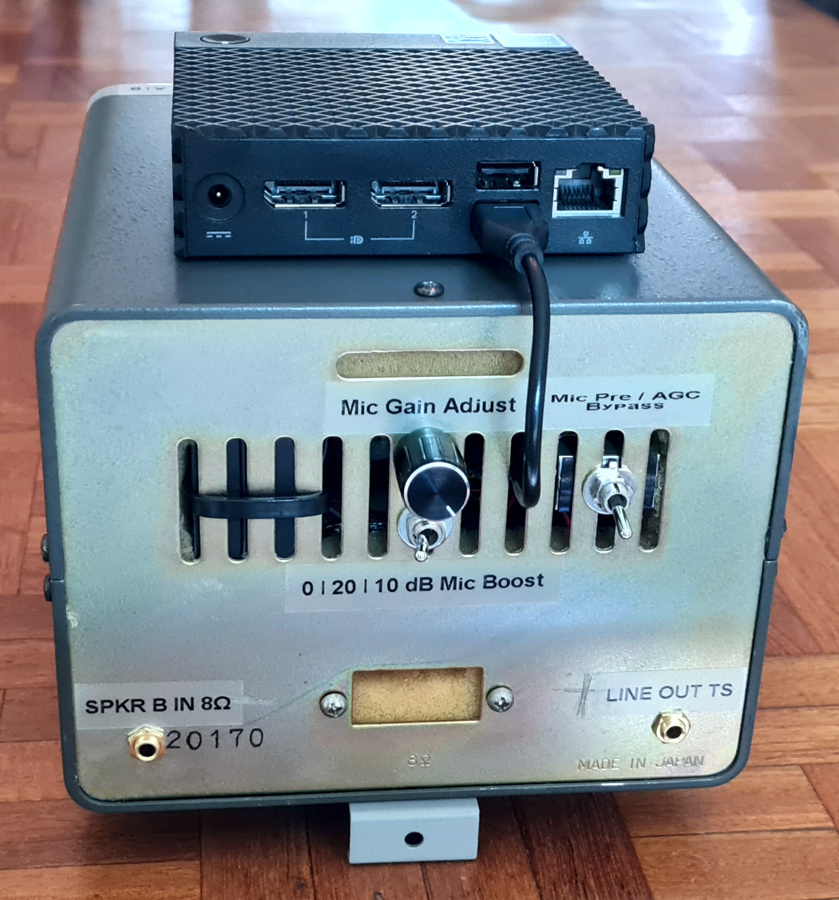
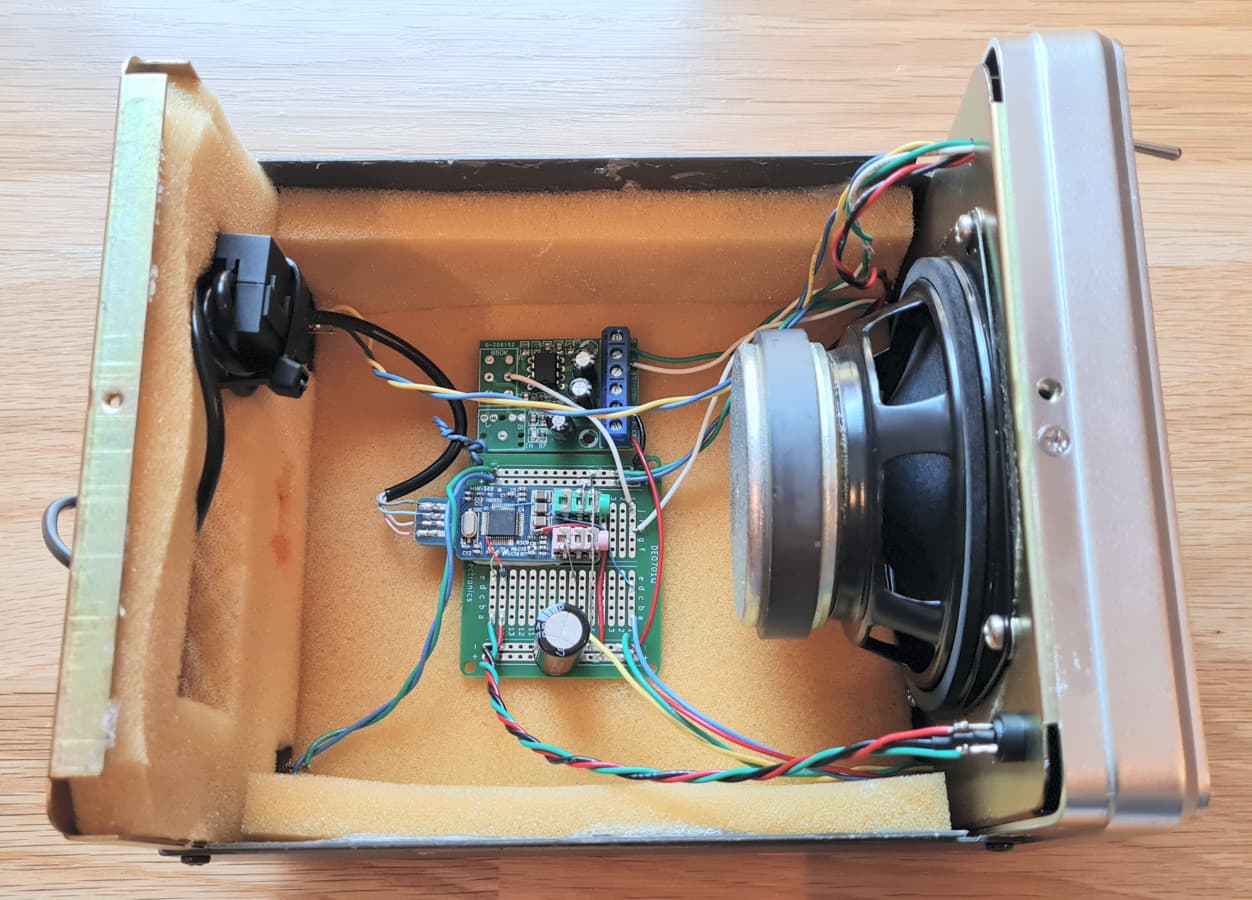
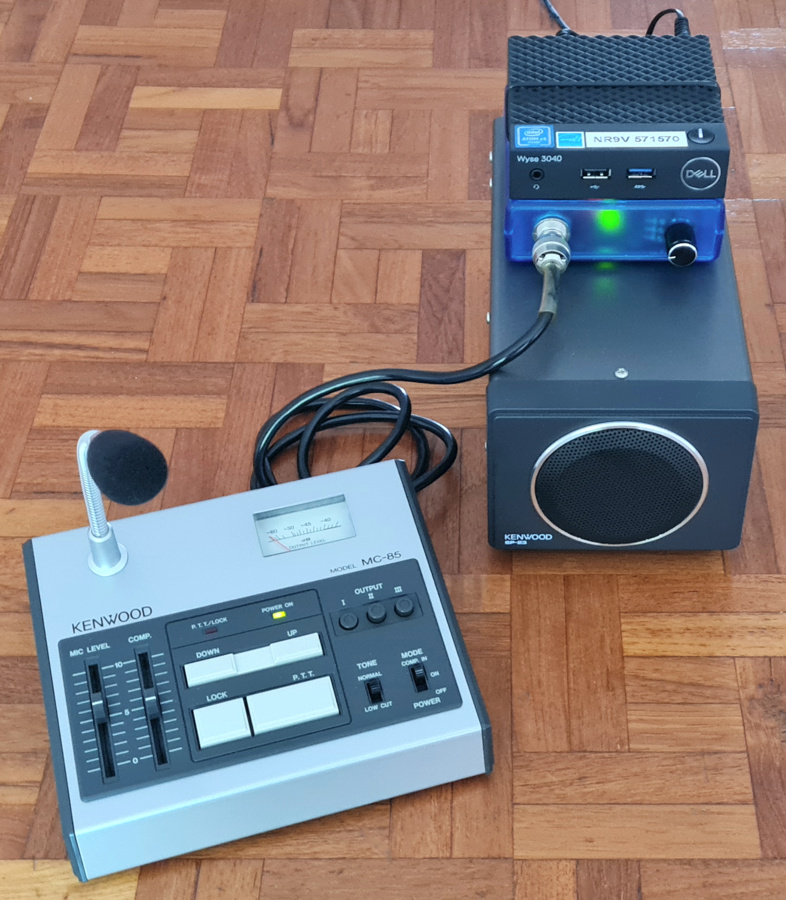
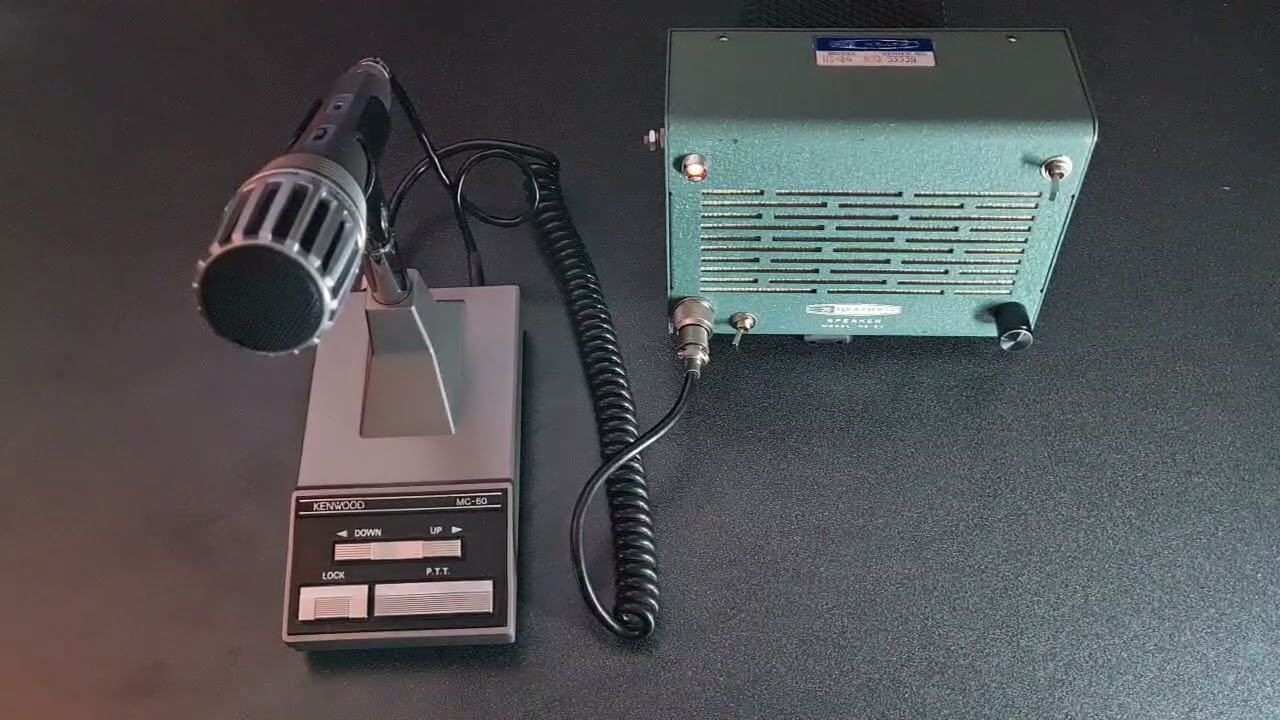
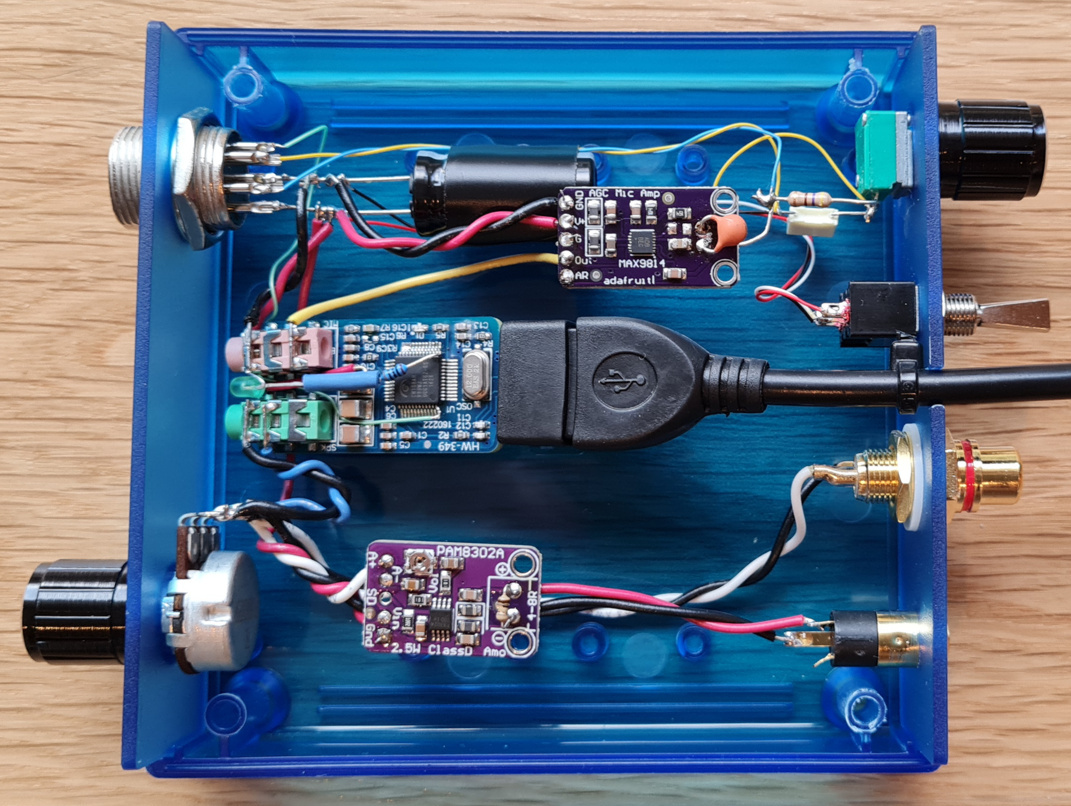
Thought I would post some pics and a demo video of some recent node builds using vintage communication speakers for the enclosure. Such speakers are solidly built and widely available for <$50 and can make a great housing for a node, providing a solid metal case, vintage aesthetics, and better sound quality than cheaper/smaller speakers. I have posted here on the ASL forum previously on my general approach to a radio-less design which for the first time I know of in any published radio-less design adds a high quality Analog Devices mic preamp & AGC/dynamics module to ensure the audio quality is as good or better than even the best radio nodes, and am now also offering similar builds using various vintage or other ham / communications speaker enclosures. On all these I always add an A/B switch allowing the speaker to still work with an external speaker level input from any radio. For more info on any of these builds including extensive How-To Guides on building your own see AllScan.info.
Hi David,
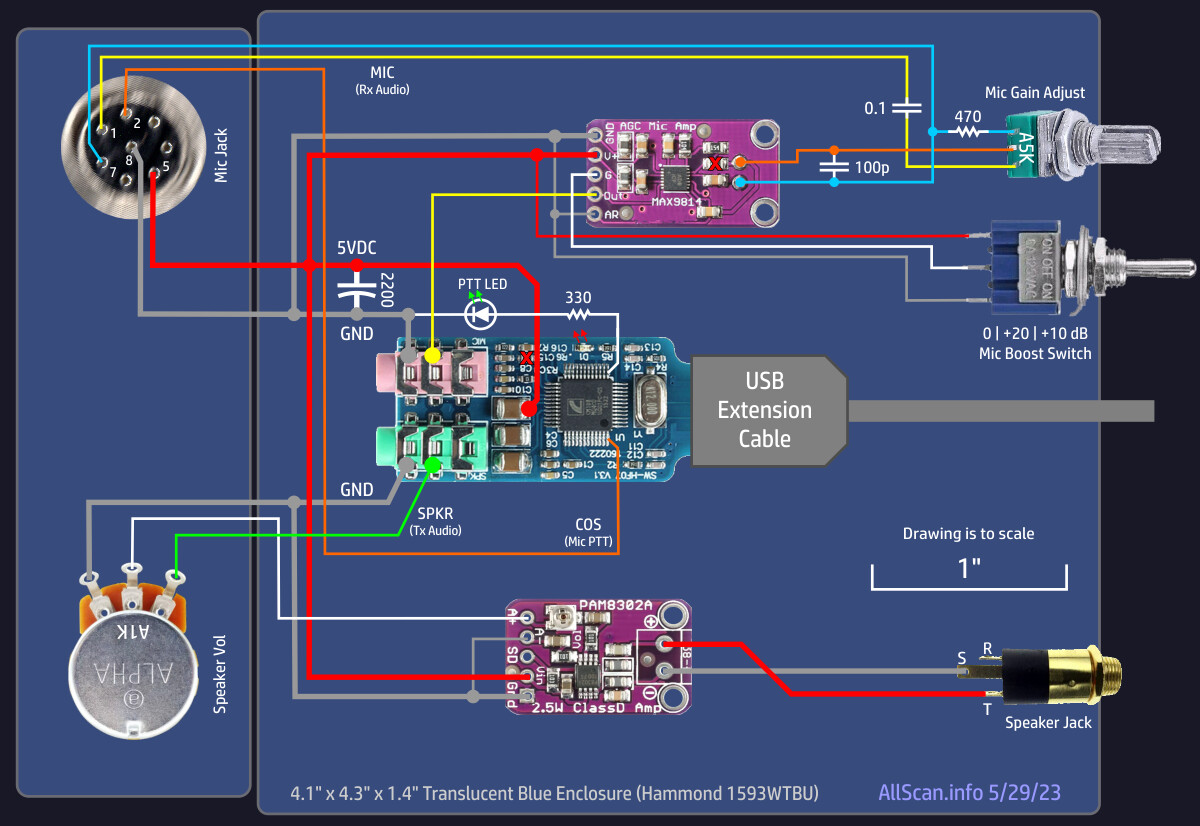
I was curious, It shows 0,10,20 db mic gain. whereas the amp board shows 40, 50, 60 positions. are those gain figures in conjunction with the gain pot?
On a different note, I had terrible digital noise when I first put my own radioless node together. (rpi)
I solved that by a 472 inductor and a 1200 ufd capacitor filter on the 5v to the amp/mic. using the cap alone didn’t solve the problem.
Thanks
Mike
Hi Mike, the diagram shows 0 / +10 / +20 dB options on the mic boost switch which are relative values above the default preamp and AGC gain. The MAX9814 preamp has selectable 20, 30 or 40 dB gain and its AGC has a variable 20dB gain. So by default you have 20 dB min preamp gain + 20dB of AGC, and then can add an additional 0, 10 or 20 dB with the switch. The gain adjust potentiometer is rarely needed and is there only in case attenuation is required eg. if you have a mic with an unusually high output level or have an unusually loud voice.
Re. noise from your RPi, the first node I built (last year) has an RPi4B and I did have to put a clip-on ferrite filter on its USB cable or would get some digital noise on the audio. Since then though I have used only Dell Wyse 3040 miniPCs or netbooks and those do not need ferrites. Those undoubtedly go through more EMC tests and optimizations than RPi’s, whereas RPi’s are just a barebones board with no case and who knows what if any certifications.